Reigate OrthodonticsReigate OrthodonticsReigate OrthodonticsReigate OrthodonticsReigate OrthodonticsReigate OrthodonticsReigate OrthodonticsReigate Orthodontics
Reigate OrthodonticsReigate OrthodonticsReigate OrthodonticsReigate Orthodontics

Crowding

The word crowding is used to describe the very common problem of irregular or overlapping teeth due to shortage of space.

Why do teeth become crowded?

We don't really know although there are plenty of theories.

  • Our modern diet is less abrasive than in the past and this means we don't wear the enamel down as much as we used to in between the teeth, which made the teeth significantly less wide and therefore less crowded.
  • The softness of our modern diet causes the jaw muscles to be lacking in sufficient exercise for the jaws to develop properly.
  • Air pollution is said to cause inflammation of the lining of the nasal cavity and mouth breathing. This requires the jaw and tongue to drop a little to allow air to pass which, in time, leads the upper jaw to become narrow and crowded.
  • The combination of big teeth and small jaws. It is a fact that people with small teeth are less likely to have crowding.

Take your pick! The first three theories are environmental or blame modern man's life style. Only the last theory has a genetic component. There are good arguments against all these theories, indicating that crowding is likely to have more than one cause and be based on various combinations of genetic and environmental influences.

Methods of treatment

There are five ways in which crowding can be relieved.

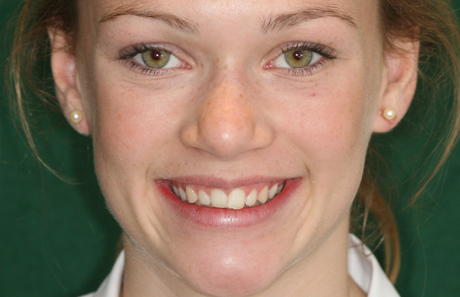
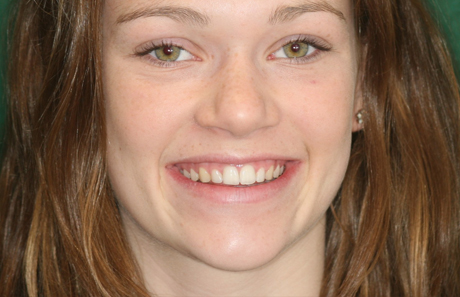
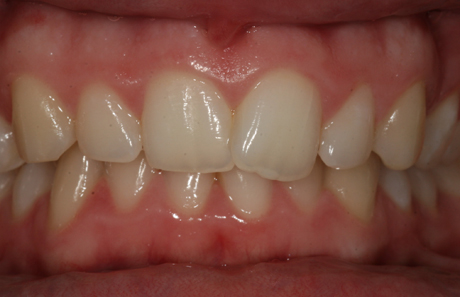
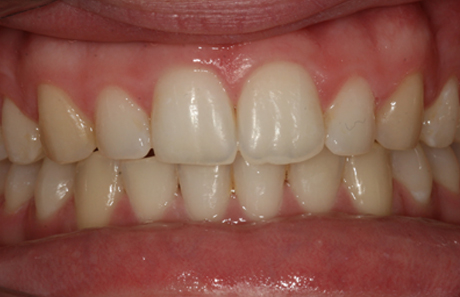
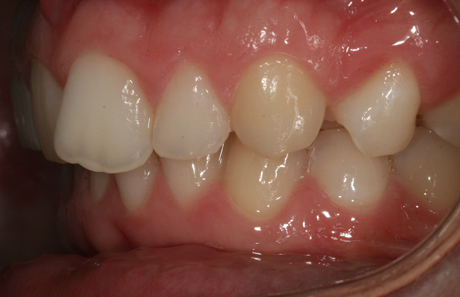
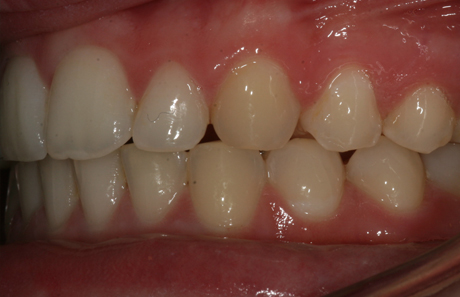
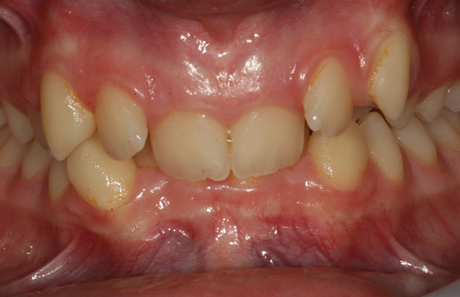
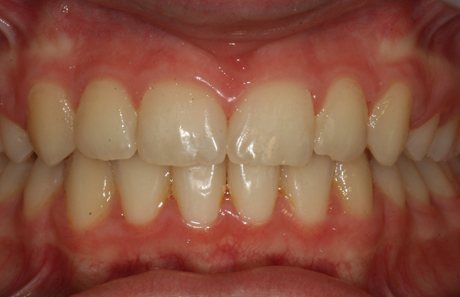
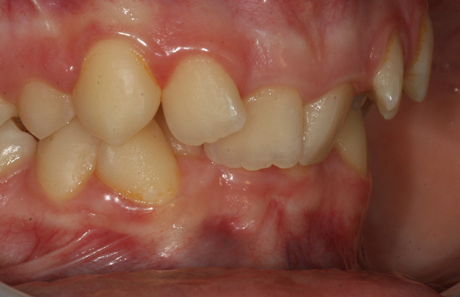
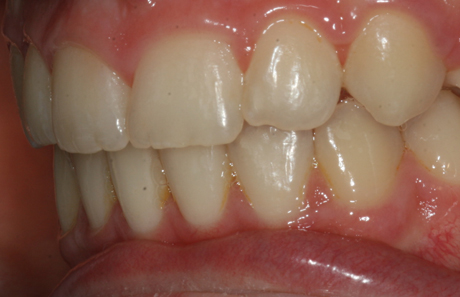
  • Extraction of teeth - This usually involves the removal of two or four permanent teeth halfway back in the mouth and is very effective at relieving crowding when it is severe (see photos).
  • Enamel reduction - This entails reducing the thickness of enamel from between the teeth which creates a series of tiny spaces that then close up. This technique, which can be used in children, is more often used for adults to relieve mild to moderate crowding. The process is painless and does not weaken the teeth or make them more vulnerable to decay.
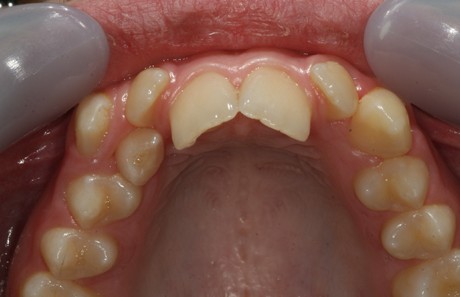
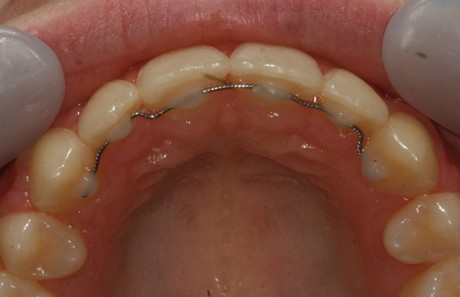
  • Widening the dental arches - This is suitable in specific cases (see photos) but is otherwise prone to relapse with a return of crowding at a later date.
  • Moving the front teeth forward - The lower and sometimes upper front teeth can be guided forward in specific cases. This is effective at creating space but is also prone to relapse with a return of crowding.
  • Moving the back teeth further back in the mouth - This requires the wearing of headgear at night and is suitable only for the upper teeth in growing children. However, this transfers crowding to the back of the mouth which may necessitate extractions at a later date.


Extractions and fixed braces corrected the crowding and the bite, and created an attractive smile.
 

These options are frequently used in combination. In borderline cases, there may be more than one treatment option. It is not possible to generalise, hence the need for individual assessment.

What is the logical approach to extractions?

Clearly, each patient needs to be assessed individually. This is why Dr Kirschen and Dr Harris apply a process known as space planning which identifies all aspects of the dentition before treatment begins and the effects that corrective measures will have. This process determines which cases need extractions and which don't, and when various options are possible.

We are aware that the extraction of teeth is an issue that can arouse strong emotional feelings. However, we pursue evidence-based clinical practice and recommend the extraction of teeth only when absolutely necessary. The large majority of patients are treated without extractions. These are undertaken only when failure to extract would result in a poor appearance due to the teeth being too far forward or in the teeth being in unstable positions.

For information on the effect of extractions on facial profiles, click here.


Successful arch widening treatment

Back to About Orthodontics home page for further options >>

Reigate Orthodontics
36 Reigate Hill, Reigate, Surrey, RH2 9NG. Tel - 01737 24 10 17 : Fax - 01737 24 10 04 info@reigate-orthodontics.co.uk
Dentist web site designed and managed by Dental Design | Find our dentist in Reigate on Dentist Finder .net
Site last updated: December 2011
© 2011 Reigate Orthodontics