
It's never too late and adults are increasingly seeking treatment for that perfect smile. This is usually for one of four reasons.
- Treatment was not undertaken as a child.
- There has been previous treatment but there has been some relapse.
- The teeth were previously fine but have started to move.
- The general dentist plans to carry out restorative treatment but some orthodontic correction is necessary first.
Before & After Gallery
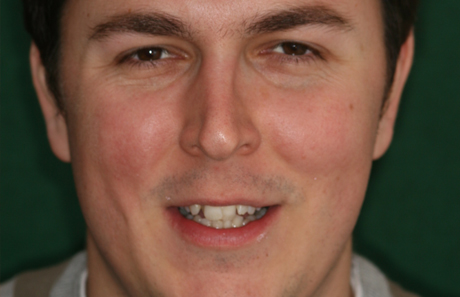

Tim did't like his smile and hated people looking at his teeth, especially during business meetings.
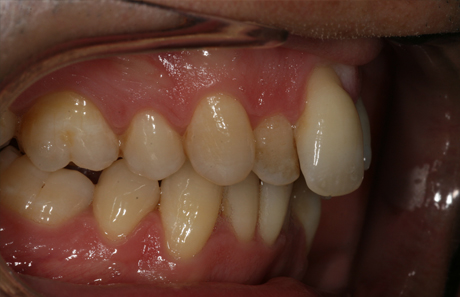
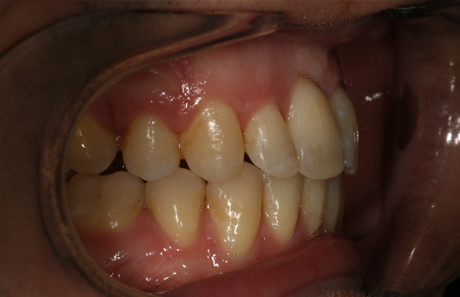
The improvements in the bite and straightness of the teeth are obvious for all to see.
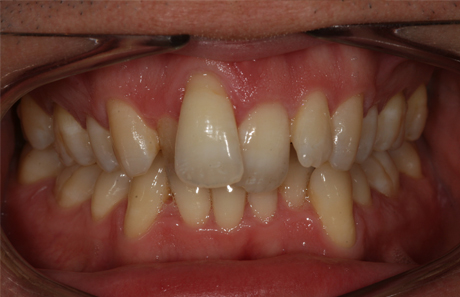
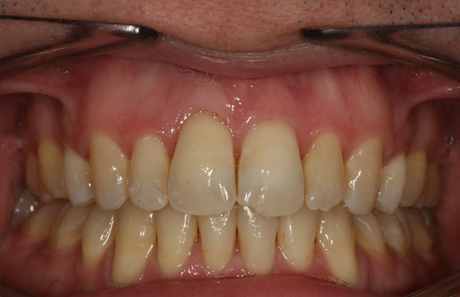
There has also been great improvement in the gums.
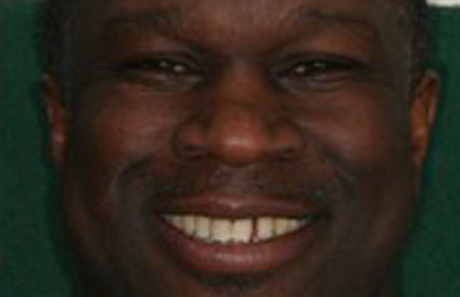
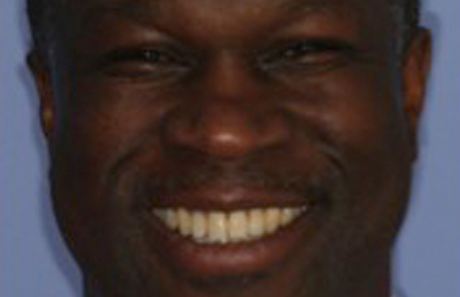
Lee didn't like his spaces.
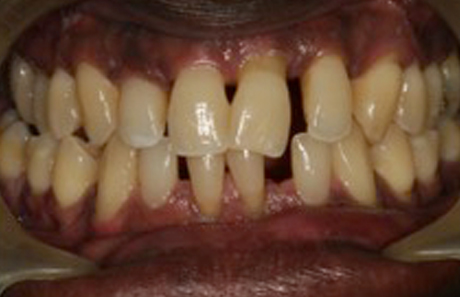
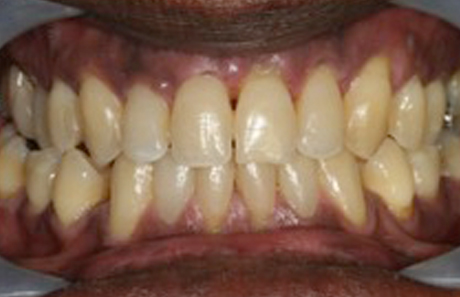
Lee's smile is vastly improved and he is delighted with the end result.

May I take this opportunity to say a massive thank you to Robert for making my teeth look beautiful and straight for my wedding. Robert was friendly and explained everything to me really well. I'm delighted with the results. I received a 1st class attention from when I contacted your orthodontist and through all the treatment. A big thank you also to all the staff you were always pleasant, friendly, welcoming and made me feel so relaxed. Claire Padmore

Lucy did an amazing job on my teeth as a teenager and then later, despite my numerous attempts to ruin them, she has managed to bring them back to their former glory. James
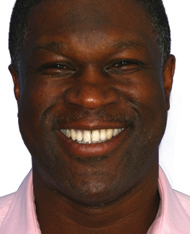
"What a remarkable job you have done, I am happier than ever and smiling permanently due to your practice" Mr Pitters
I just wanted to say a big thank you to Lucy for seeing me at such short notice yesterday to fix my retainer. She is always so lovely (as are all the staff) and I really enjoy all my visits there - I am really pleased with the improvement in my smile and am only sad that I generally now no longer need to visit regularly!! Linda W, June 2019
Reigate Specialist Orthodontic Practice Ltd,
36 Reigate Hill, Reigate, Surrey, RH2 9NG
Read our latest news in the Blog
T: 01737 24 10 17 | F: 01737 24 10 04 | info@reigate-orthodontics.co.uk
Cookie Policy | Privacy Policy